Related Articles
Winter Moths
18th December 2025
Day-flying Moths
29th March 2026
Migrant Moths
29th April 2026
Moth Trapping for Beginners
31st May 2026
Festival of Change
29th June 2026
How does a moth hover?
29th June 2026
Moth Mornings
29th June 2026
Identifying Moths for Beginners
23rd July 2026
Revealing Romanian Moths
28th August 2026
Moth Migration 2026
29th September 2026
Out-of area: North Wales
29th September 2026
The Black Witch
26th October 2026
Moth Trapping for Beginners: Tips
Mike Southall shares some suggestions and cautions to get the best results and avoid frustrating mistakes.
In a garden situation, one option is to place the trap on a table against a wall. This will save bending to go through the trap, an important consideration as one gets older. Some moths will settle on the wall, particularly if it is white. Equally, a trap placed on the lawn can be lifted to a table for ease of inspection. Some trappers place the trap on a white sheet or hang one nearby. This can make the moths more visible, especially when the trap is attended, but is best avoided if it is windy. In windy or gusty conditions, overnight traps can be secured by running a line over the trap and pinning it with two tent pegs. The line should not touch the hot mercury vapour bulb.
It's important to inspect the outside of the trap and surroundings before turning the light off: this can save you the pain of seeing a suspected rarity disappear into the distance before being confirmed. The trap can be taken indoors but convenience has to be balanced with the risk of filling the house with insects and the consequences of that. A conservatory or shed is often a better bet, with some lively moths likely to head for the windows where they can be potted or released.
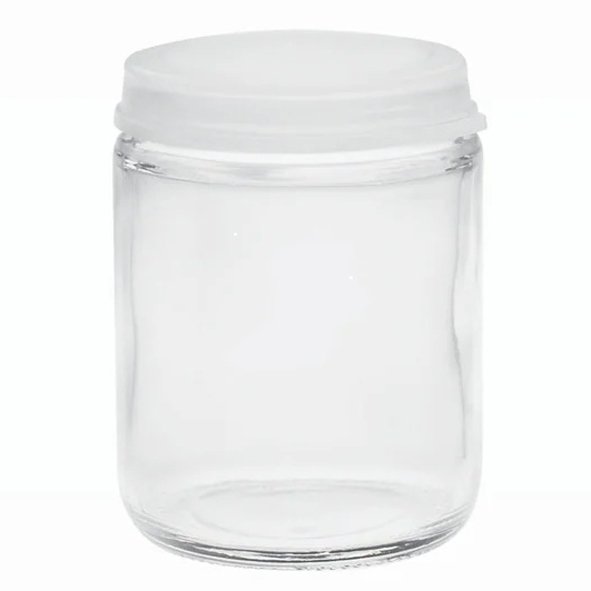
Glass collecting jar with plastic top
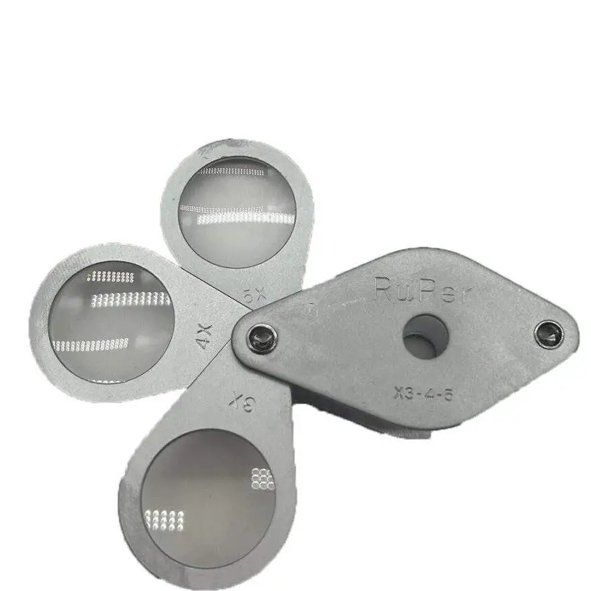
Magnifier with three lenses of different strengths
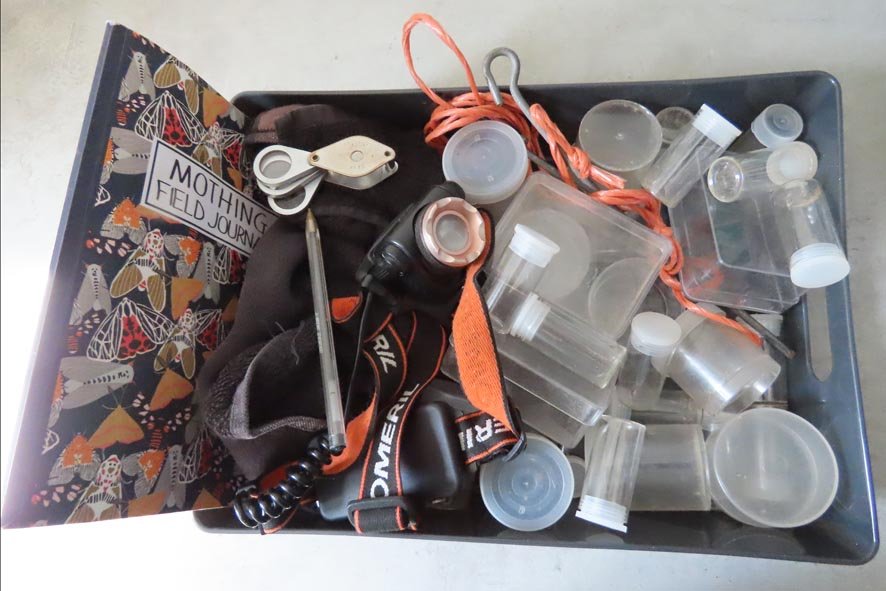 Mike's collection of accessories
The open pot should be placed over the selected moth and moved gradually towards the moth’s head. The moth then usually moves into the pot, which can be sealed first with a thumb and then by sliding the lid quickly into place. Pots can be placed in a fridge for later inspection and photography. I use a small hand lens with 3x, 4x and 5x lenses to inspect the moths, giving greater magnification when required. One technique of dealing with a busy summer trap is, after inspecting the egg trays, to tap them out into the empty trap. This often reveals one or two species not previously seen. Most moths soon warm up and disperse far and wide; the few remaining can be placed into local vegetation. The egg trays and trap can then be reassembled and put away.
Find out more
A useful article called Getting Started is available online from Lancashire Moths. This lists some useful resources and tips for beginners, including books, journals and equipment.
The article references Roy Leverton’s book called Enjoying Moths (ISBN: 9780856611247). This highly recommended book was first published in 2001 and is still available for around £30. It covers many topics about moths and mothing, all in a very readable way, having been written as an addition to the standard field guides available at the time.
Other sources of information include an online article from Staffordshire Wildlife Trust called Moth Trapping for Beginners and the websites of equipment suppliers. There are even YouTube videos on the subject.
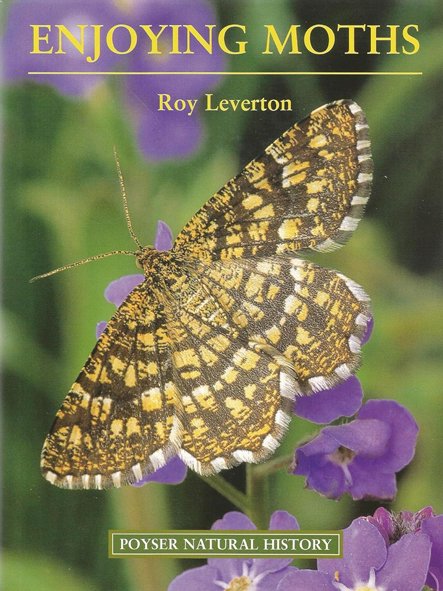

To quote Lancashire Moths: One book that anyone new to moths really must read is Roy Leverton’s Enjoying Moths (T & A D Poyser). This is a book on the subject of ‘mothing’, and the bulk of it provides wonderful advice on mothing techniques that no beginner can afford to be without, while the rest provides an overview on the identification, taxonomy, distribution and conservation of British moths.
Next step
Identifying the moths caught in your trap is the next challenge. It gets easier with time, once the commoner moths have been learned and the more unusual ones start to stand out. Understanding the characteristics of different moth families is a good place to begin. More anon!