Related Articles
Winter Moths
18th December 2025
Day-flying Moths
29th March 2026
Migrant Moths
29th April 2026
Festival of Change
29th June 2026
How does a moth hover?
29th June 2026
Moth Mornings
29th June 2026
Moth Trapping for Beginners: Tips
29th June 2026
Identifying Moths for Beginners
23rd July 2026
Revealing Romanian Moths
28th August 2026
Moth Migration 2026
29th September 2026
Out-of area: North Wales
29th September 2026
The Black Witch
27th October 2026
Moth Trapping for Beginners
Mike Southall provides an introduction to this fascinating window on the world of moths.

Equipment
There are several suppliers of moth traps, most of which have their own websites where purchases can be made online. Watkins and Doncaster, based near Leominster, and Anglian Lepidopterist Supplies (ALS) are two that come to mind, but there are plenty more.
Two common trap designs are the Robinson and Skinner, but others are Heath and Bucket (rigid) types. Mercury vapour (MV) and actinic bulbs were most widely used but LED bulbs are now gaining ground (especially now that MV bulbs are being phased out). There's a trade-off between price and number of moths caught, as well as factors such as size and and whether the trap can be collapsed for transport.
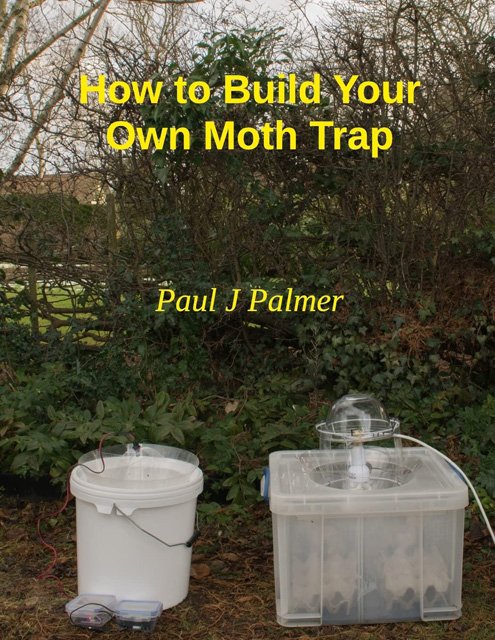
If the budget is a concern, it's possible to build your own trap with online help; a book by Paul Palmer, How To Build You Own Moth Trap, is available to show you how to do that if you wish - the Field Studies Council made some short films with the author to demonstrate the process.
Of course, over time it is possible to collect a variety of traps to suit different purposes.
A selection of ancillary equipment is also likely to be required. This can range from a head torch, moth pots, hand lens and identification books to electrical cable extensions, a portable generator, and maybe even a four-wheel drive vehicle. The recent introduction of LED lights and lightweight rechargeable batteries has given an alternative to some of the heavy equipment required to trap in remote locations. A Facebook group established in July 2025 called Entomological Traps UK and UV Lighting can answer some of these questions; it's an open site with over six hundred members.
Trapping abroad can be very rewarding but don’t do what I did once, taking my trap to North America only to find that the electricity supply was incompatible. I did manage to connect to our hire-car battery via a convertor for some memorable moths on a later US trip.
 My Robinson trap with a mercury vapour (MV) bulb - expensive but efficient
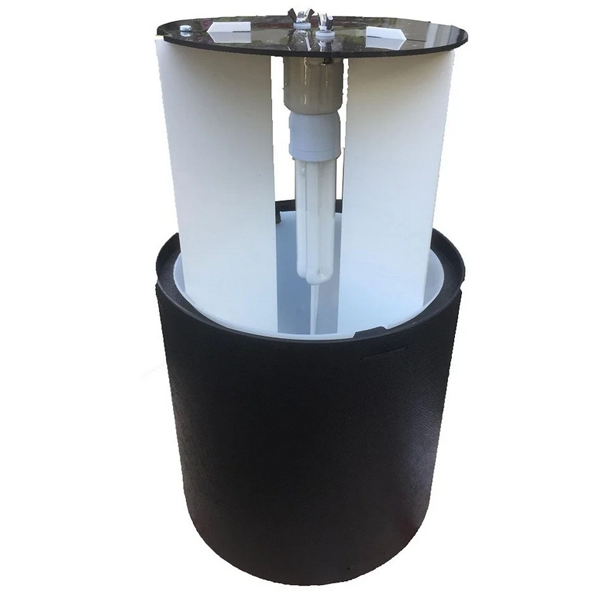 An affordable rigid moth trap - easy to use for anyone, anywhere
Siting your trap
I suspect most beginners will want to trap moths in their own garden or local space. In this case, the trap is best plugged into the mains with suitable safety precautions. As well as consideration for close neighbours, factors to consider when choosing and placing a trap should include shelter from high winds and shade from the rising sun.
Inspecting and releasing your catch
Sunrise times change throughout the year and getting up early in mid-summer is part of the deal: moths can be lost or distressed if the trap is not inspected in good time. The excitement of finding something interesting should be incentive enough to get up at sunrise, and there is often time to go back to bed after doing the trap. The dawn chorus works well for me as an effective alarm call, as long as the bedroom windows are open.
It's important to consider the moths' well-being and care when recording and releasing. Moths should be kept cool and shaded while being potted and inspected. They should be released away from the immediate trapping site and scattered in vegetation to avoid predation.
It's also important to make sure that you enjoy the process and avoid it becoming a chore. Trapping once a week will give good coverage of a location's moths over the year and fits well with the Garden Moth Scheme (GMS). The scheme collates weekly records from over three hundred gardens annually in the UK and is becoming a valuable database for research. Trapping frequency can be increased during migration events or decreased when conditions dictate, such as during wintertime.
There's an information page on the GMS website with links to guides on getting started with moth trapping and identifying the different families of moths.
Alternatives to moth traps
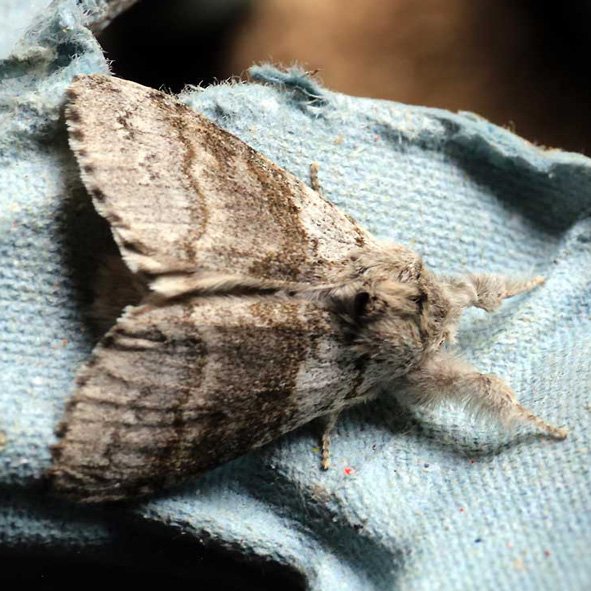
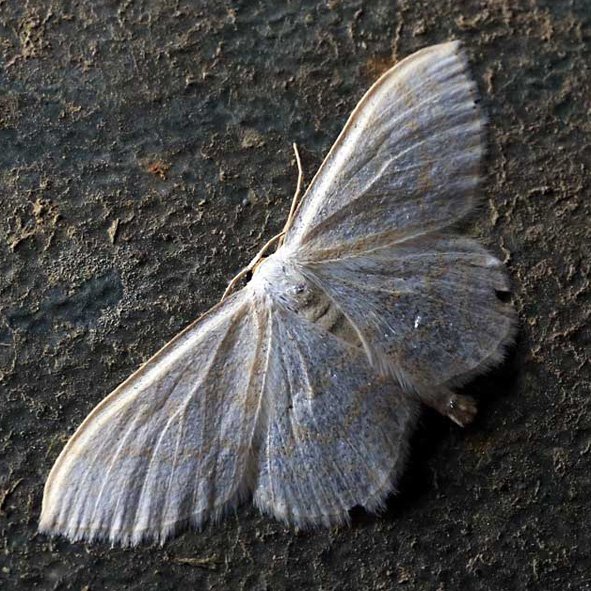
Other techniques should not be overlooked in the study of moths. Only species that are attracted to light will come to moth traps. Others will come to sugary bait and wine-soaked ropes - only species that feed as adults respond to these. Some species are most easily found by searching for their larvae, often best done at night. Day-flying species can be observed during the day, in the same way as butterflies. Finally, pheromone lures are increasingly used for hard-to-record species such as Clearwings.