Related Articles
Winter Moths
18th December 2025
Day-flying Moths
29th March 2026
Migrant Moths
29th April 2026
Moth Trapping for Beginners
31st May 2026
Festival of Change
29th June 2026
How does a moth hover?
29th June 2026
Moth Trapping for Beginners: Tips
29th June 2026
Moth Mornings
You may have seen that we're looking for more volunteers to help us with these increasingly popular events – they're a great way to introduce people to moths and show that not all moths are brown, boring and eat your clothes! Here we take a look at some of the species seen at three recent venues, organised by Mike Williams.
Comer Woods on 6 June (Shropshire)
This wood is part of the National Trust's Dudmaston estate at Quatt, near Bridgnorth, and we had a great time with lots of moths and an enthusiastic audience.
Special thanks to Mary Singleton and Sue Wright for leading the event.
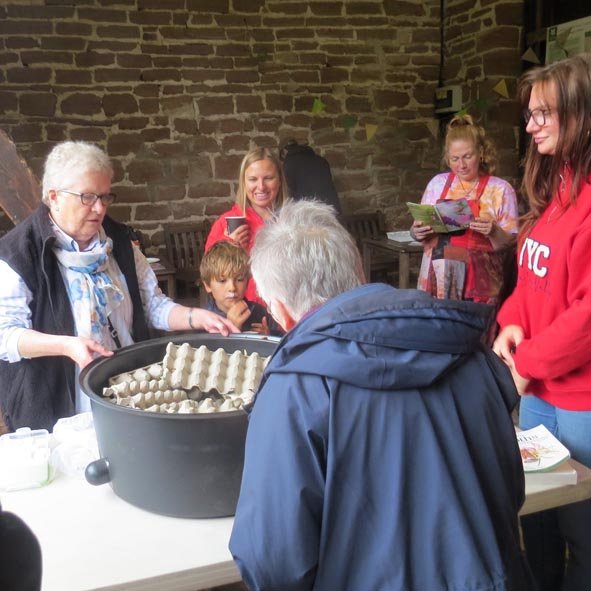 Opening the traps
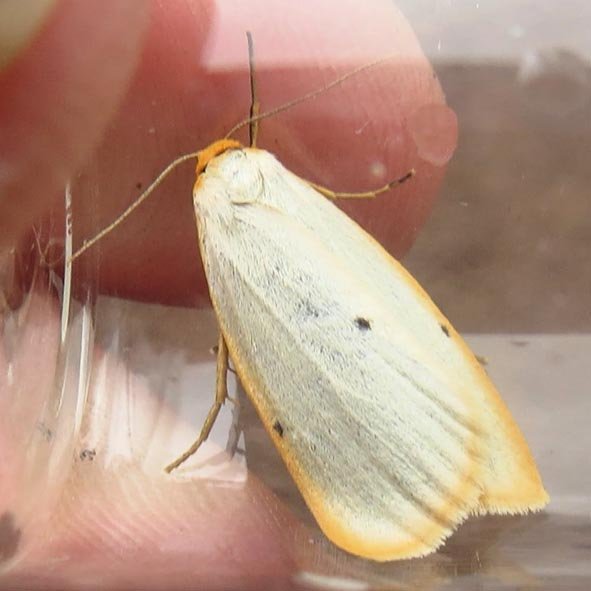 Four-spotted Footman
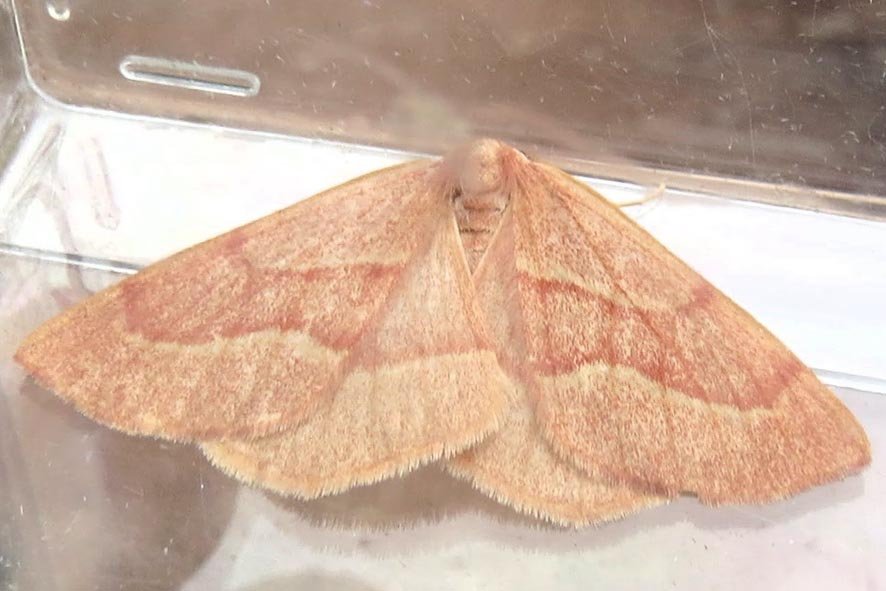 Barred Red
St George's Farm on 7 June (Worcestershire)
This farm near Bewdley is headquarters of the Wyre Community Land Trust and the event was part of their Open Farm Sunday and also our contribution to Wyre Forest SustFest. We were pleased to have the opportunity to show moths to the new mayor of Bewdley. They performed well, with four species of hawk-moth and some Wyre Forest specialities, including Great Oak Beauty and Dasycera oliviella.
Special thanks again to Mary Singleton and Sue Wright, and to Rob Murray from Natural England who helped with the moth trapping in the Forest and produced some great moths.
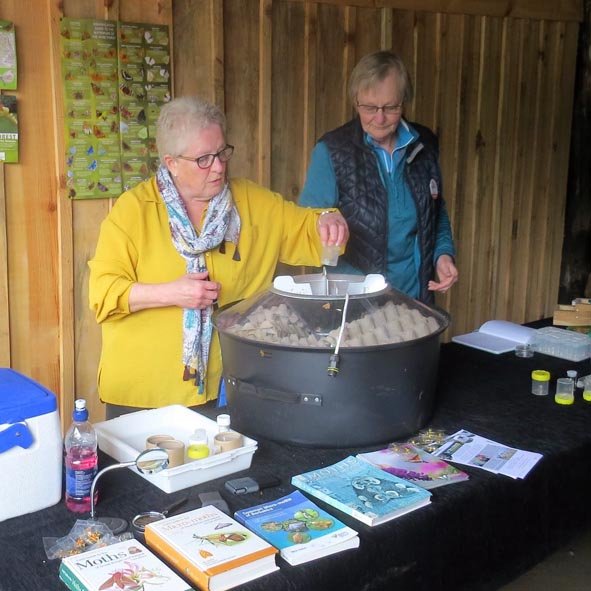 Our team opens the trap and displays moth information
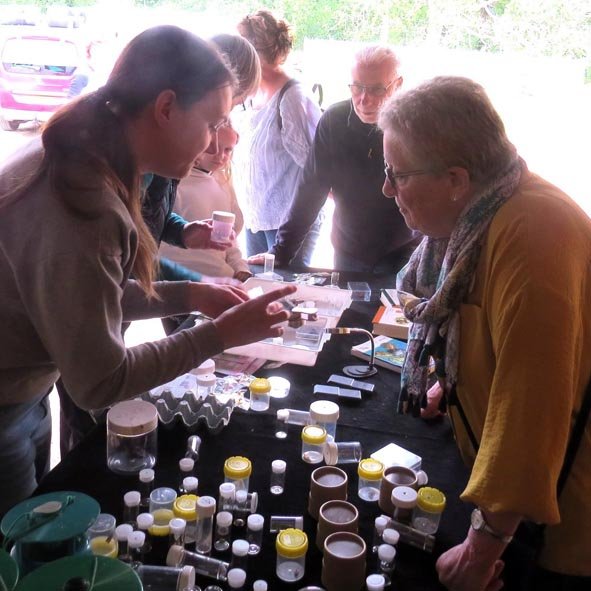 Then there's chance to talk through the finds
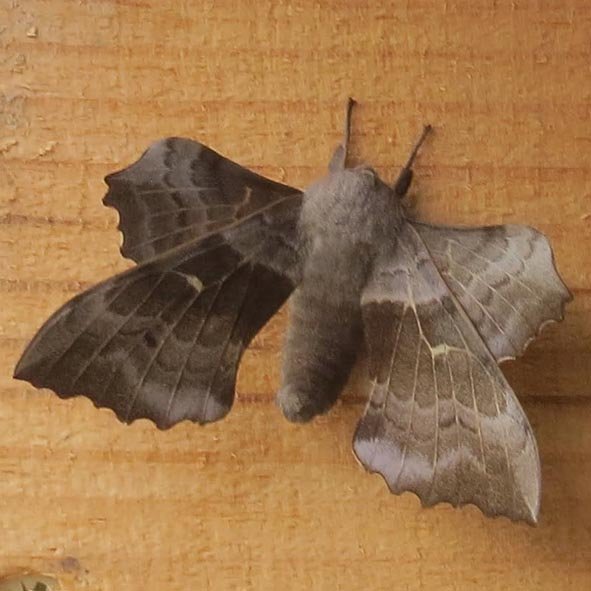 Poplar Hawk-moth
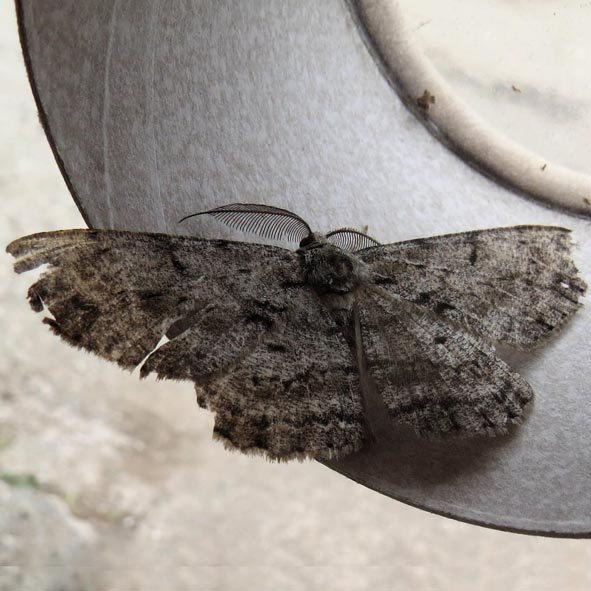 Great Oak Beauty
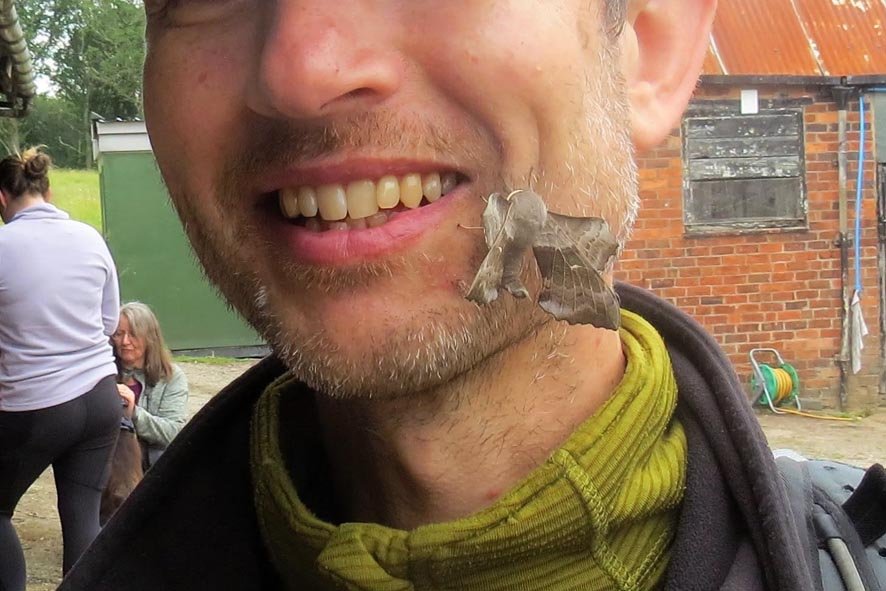 Some moths offered more close-up views than people had expected!
Croome on 21 June (Worcestershire)
A magical moth morning at this National Trust estate yielded 75 species (excluding micros), including five hawk-moth species, two clearwing species and a Garden Tiger. Putting on moth mornings at Trust properties is a particularly good way to broaden our reach: it gives a chance to interact with people not yet interested in butterflies and moths, and to connect with young people who will be the volunteers of the future.
Thanks to Mike Southall for leading the event.
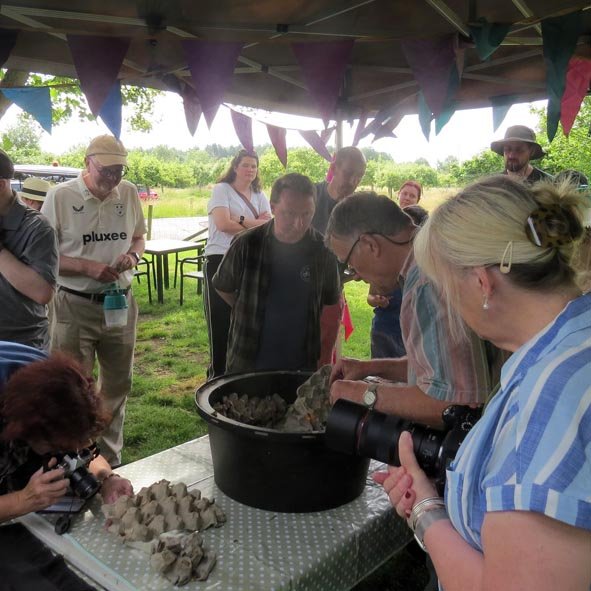 Shade is needed to keep the moths comfortable
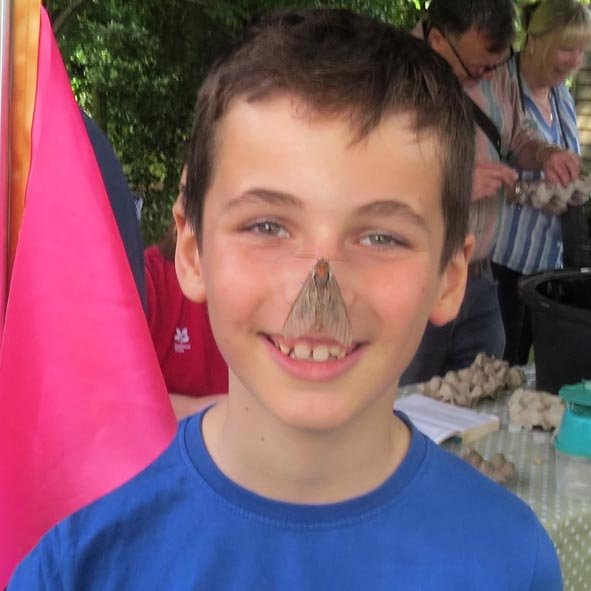 Once again, the moths got up close and personal
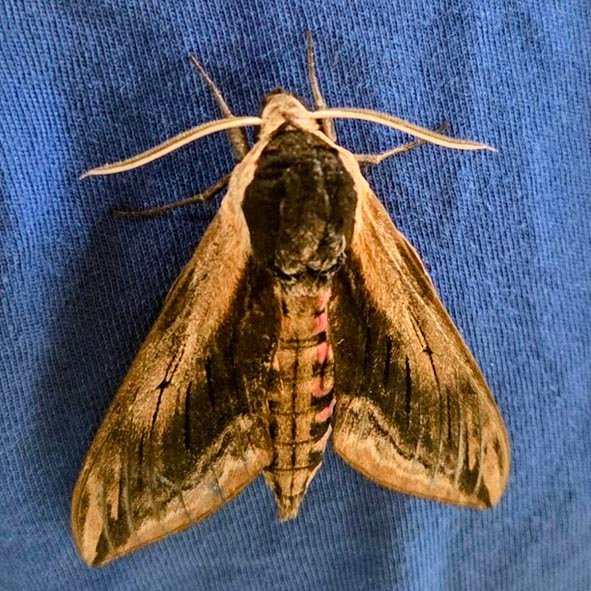 Convolvulus Hawk-moth
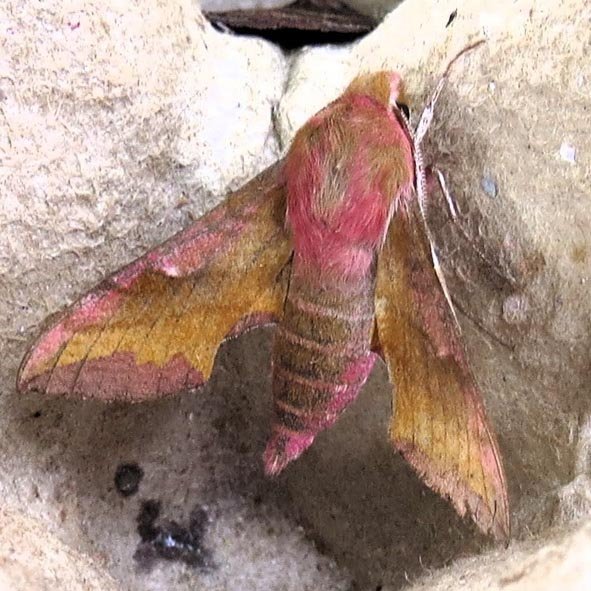 Elephant Hawk-moth
What next?
If you're a moth trapper and feel you have a fair knowledge of the more common species of our region, please consider whether you might enjoy sharing your expertise. Moth mornings are friendly, informal events at which you'd have the support of a WM-BAMS representative. You don't have to be able to identify every moth - just talk about the ones you recognise and even invite people to try to identify specimens themselves from materials on display.
You may gain access to sites that you wouldn't normally be able to trap in and there's scope to build relationships with landowners that may lead to longer term monitoring activities. Most of all, you'll be able to share your enthusiasm with people who may not know much yet but may be the moth-ers of the future.
To find out more, contact Marian Newell at wmbams.sec@newellporter.co.uk