Related Articles
Rare Butterfly spotted at new site in Worcestershire
29th June 2026
Only site for rare butterfly in the Black Country under threat
An area of contaminated post-industrial land is at risk of development but clearing vegetation for site investigations has inadvertently created a habit for the UK's smallest butterfly after its sole food plant, Kidney Vetch, established on the bare soil.
The Small Blue is Britain’s smallest butterfly and is generally found on limestone grassland in southern Britain, where it lays its eggs on Kidney Vetch. Much of its traditional habitat has been destroyed by agricultural change and other pressures over the years, making its presence on former industrial land at Rattlechain incredibly important.
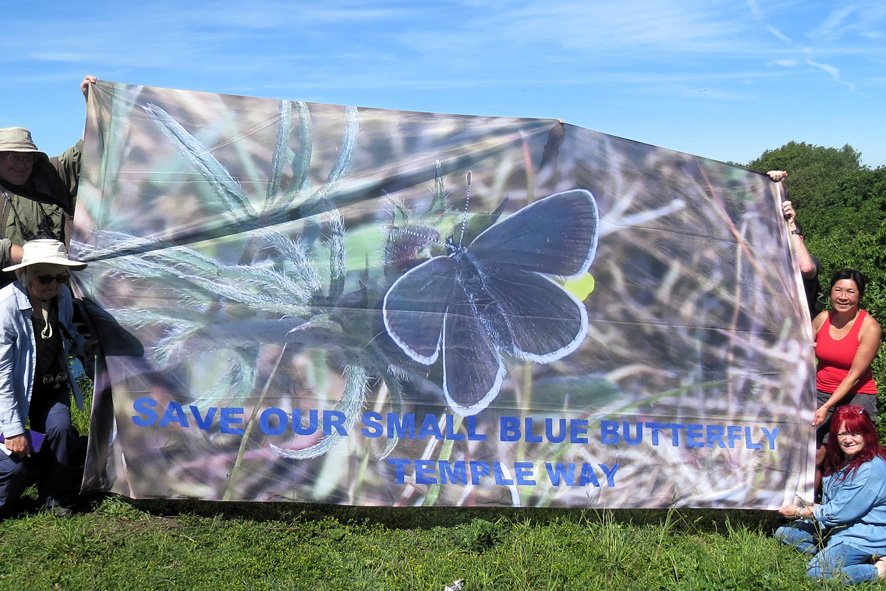
Volunteers from West Midlands Butterfly and Moth Society (WM-BAMS) and the Friends of Sheepwash Nature Reserve, alongside other local residents, visited the site over the Spring bank holiday weekend and were delighted to count almost 40 Small Blue butterflies, together with other butterfly species including the uncommon Green Hairstreak.
Several unusual plants were found as well, including Tower Mustard at its only known site in Birmingham and the Black Country and with few known locations nationally. Other notable plants include Narrow-leaved Everlasting-pea, Common Cudweed and Narrow-leaved Bird’s-foot Trefoil.
Mike Williams of WM-BAMS said, 'The value of sites like Rattlechain for both wildlife and people cannot be over-estimated. So few green spaces like this now survive in built up urban areas that they are almost unique and provide vital sanctuaries for wildlife, as well as places that people can access for exercise and their well-being. The fact that the Small Blue is flourishing here makes it even more special, as it is the only site for this butterfly in all of Birmingham and the Black Country. The nearest places it can still be seen are in the Cotswolds and a small area in central Warwickshire'.
Ian Carroll from the Friends of Sheepwash Local Nature Reserve, who spoke in defence of the site at last year’s public enquiry, said, 'I find it amazing that Sandwell Council would want to sanction housing on such heavily contaminated land, as well as the linked white-phosphorus-containing Rattlechain Lagoon, which would cost millions to restore over many years and would not meet local housing need. It would be so much better for the environment and taxpayers’ pockets if, at minimum cost, the area could become a new local nature reserve and its important butterflies and wild flowers be conserved for everyone to enjoy.'
 - cropped.jpg) Small Blue at Rattlechain Tip on 20 May 2025 (Mike Poulson)
Small Blue at Rattlechain Tip on 20 May 2025 (Mike Poulson)
WM-BAMS will be running an information stall at Dudley Zoo’s Festival of Change on 5-6 June, where people will be able to find out more about this site and how they can help to conserve it. Volunteers associated with the site will be present on Saturday 6 June.